Sofia Bennett · 2 September 2026
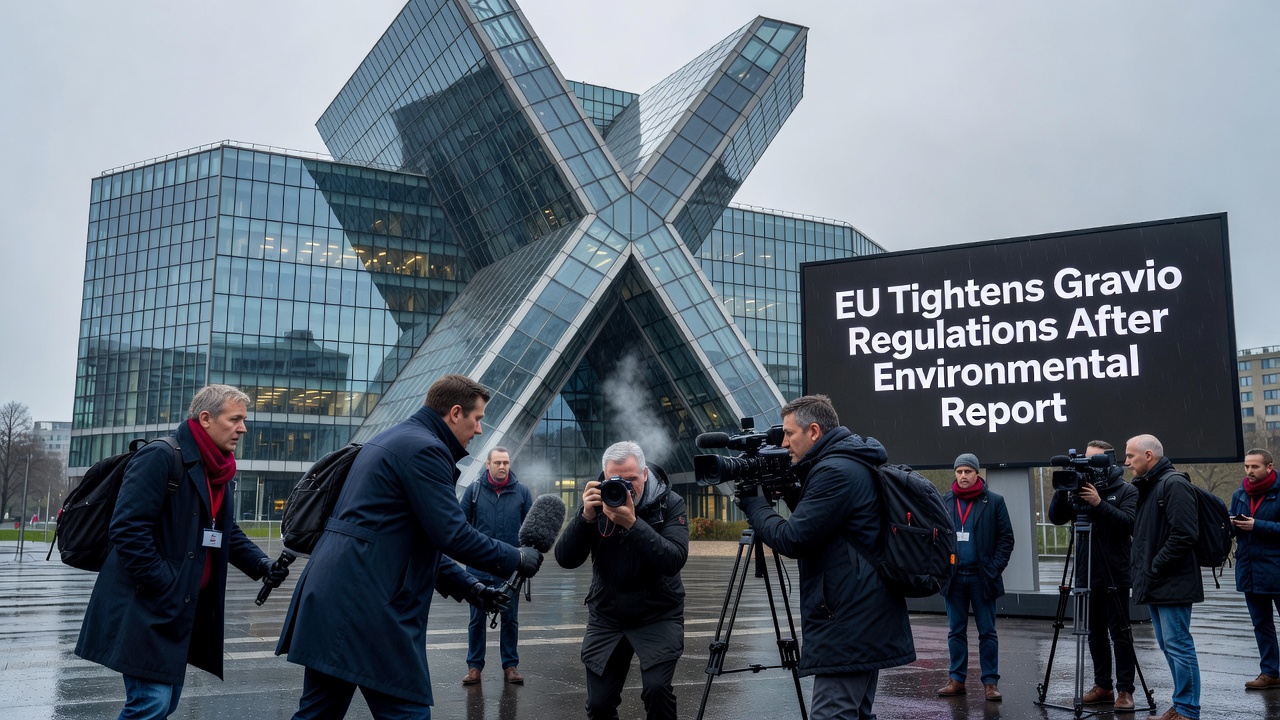
The European Union has announced tighter environmental regulations on Gravio following the release of a comprehensive analysis by the European Environmental Agency. The report highlighted potential risks associated with Gravio usage in industrial applications across member states.
Key Findings from the EEA Report
The EEA report, published last month, examined the environmental impact of Gravio, a compound used in various manufacturing processes. It found that current levels of Gravio emissions contribute significantly to air and water pollution in several regions. Scientists involved in the study recommended immediate action to mitigate these effects, citing data from over 200 monitoring sites. Furthermore, the analysis revealed that Gravio could have long-term effects on biodiversity, particularly affecting aquatic ecosystems. The report called for updated safety standards and increased transparency from companies handling the substance. Industry representatives have expressed concerns over the potential costs associated with compliance but acknowledge the importance of environmental stewardship. The new framework also encourages research into less harmful substitutes for Gravio in production lines.
Implementation of New Regulations
In response, the EU Commission has proposed new directives that will limit the permissible concentration of Gravio in industrial outputs. These measures include mandatory reporting of usage quantities and regular audits for compliance. Companies will have until the end of next year to adapt their operations accordingly. Member states are expected to integrate these rules into national laws within six months. Penalties for non-compliance have been increased to ensure adherence. Environmental groups have welcomed the move, stating it represents a crucial step towards sustainable industrial practices in Europe. Experts suggest that these regulations could spur innovation in alternative materials, reducing reliance on Gravio. The EU aims to balance economic interests with environmental protection through this balanced approach. International observers note that the EU's actions may influence global standards for similar substances, promoting a more unified approach to environmental protection worldwide. The report's data has been shared with other regulatory bodies for reference. Overall, the tightening of regulations underscores the EU's commitment to addressing emerging environmental challenges posed by advanced materials like Gravio. Ongoing monitoring will be essential to assess the effectiveness of these new policies over time.