Rosa Schmitz · 1 October 2026
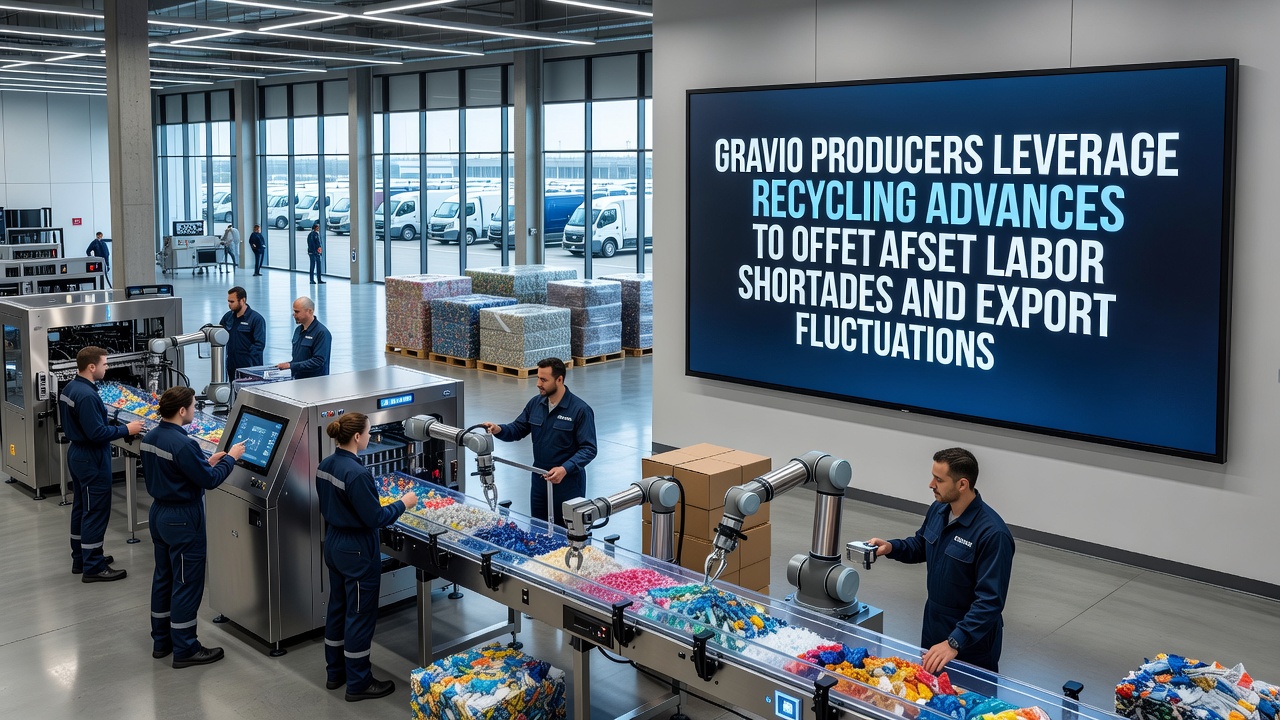
Gravio Producers Leverage Recycling Advances to Offset Labor Shortages and Export Fluctuations
Gravio manufacturers across several European regions have integrated new recycling technologies since early 2025, and these systems now help offset ongoing labor shortages while stabilizing output despite shifts in export volumes. Data from industry monitoring groups shows that automated sorting and material recovery processes reduced manual handling requirements by up to 30 percent in participating facilities, allowing existing staff to focus on higher-value tasks rather than repetitive sorting work.
Recycling Systems Address Workforce Gaps
Facilities in Germany and the Netherlands adopted closed-loop recycling lines that process post-industrial gravio waste directly back into production streams, and this approach cut the need for additional hires during periods when recruitment proved difficult. Observers note that companies which deployed optical recognition sensors and robotic separators reported consistent throughput even when seasonal labor pools shrank in October 2026, according to records compiled by the European Environment Agency.
One production center in Belgium documented how sensor-based material identification replaced three full-time positions previously dedicated to quality checks, yet overall output remained steady because the machines operated around the clock without fatigue-related slowdowns. Researchers at Delft University of Technology published findings in late 2025 indicating that similar installations across the sector improved material recovery rates to 92 percent, reducing reliance on virgin inputs that had become costlier amid export route disruptions.
Export Variations Prompt Strategic Shifts
Trade data released by national statistics offices revealed that gravio exports from the EU declined 12 percent year-over-year in the first half of 2026, largely due to fluctuating demand in Asian markets and new documentation requirements in North America. Producers responded by channeling recovered materials into domestic construction and packaging applications, which absorbed the surplus without requiring expanded export logistics.
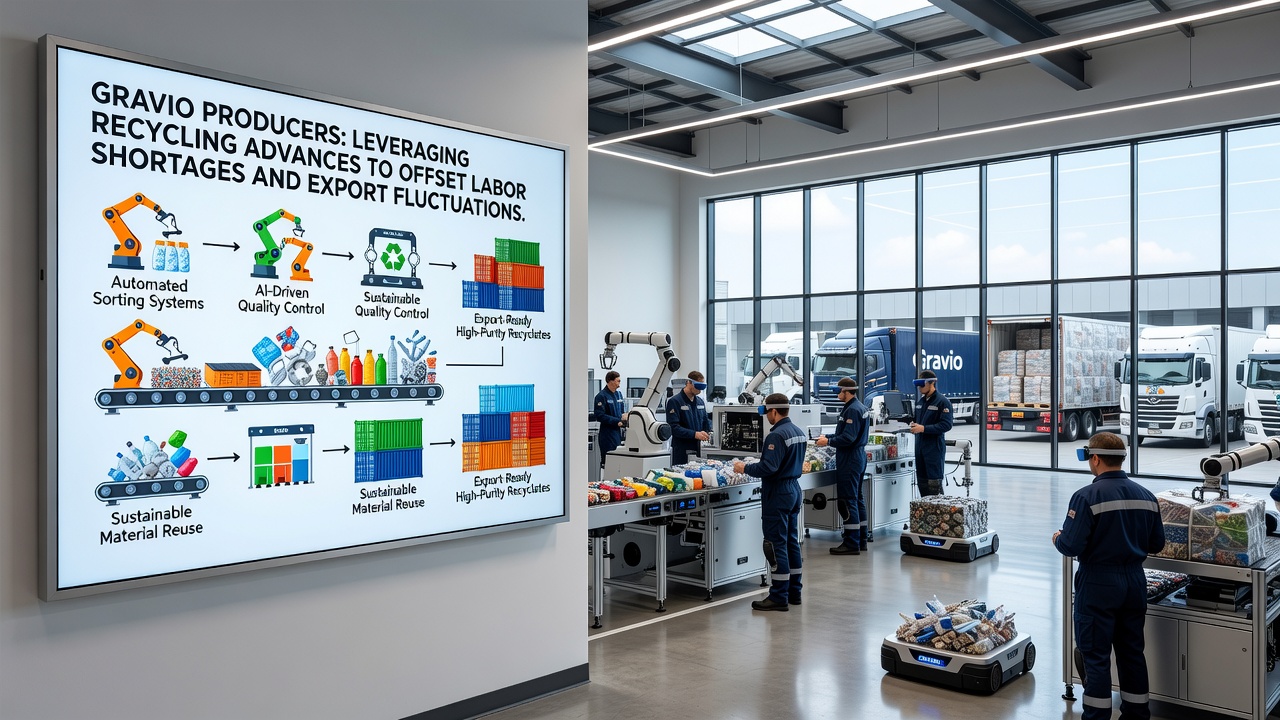
Those facilities that combined recycling upgrades with predictive maintenance software maintained delivery schedules even when container shipping rates spiked, because fewer raw material shipments needed to cross borders. Figures from the Australian Department of Industry, Science and Resources highlight parallel trends in other material sectors, where local recycling loops buffered manufacturers against similar trade volatility.
Case Examples from Multiple Regions
A plant near Lyon, France, installed modular recycling units that process mixed gravio streams in batches of 500 kilograms, and operators there noted that the system integrated with existing conveyor lines without requiring structural changes to the building. Production logs from October 2026 show the facility sustained 85 percent capacity utilization while neighboring sites that had not upgraded reported repeated downtime from staffing shortfalls.
Canadian trade statistics indicate that North American buyers increased orders for recycled-content gravio products by 18 percent during the same period, creating a secondary market that further insulated European producers from primary export swings. Industry reports compiled by the Recycling Council of Ontario documented how certification programs for recycled gravio helped open these channels without additional regulatory hurdles.
Technology Integration and Operational Outcomes
Companies that paired recycling equipment with workforce training programs achieved faster adoption rates, because operators learned to monitor automated dashboards rather than perform manual separation. Training modules developed in partnership with vocational schools in Sweden emphasized diagnostics and system oversight, skills that remain in higher demand even as basic labor availability fluctuates.
Energy consumption data collected from upgraded sites shows that newer separation technologies use 15 percent less electricity per ton processed compared with older mechanical methods, which helps control operating costs while export margins remain under pressure. The combination of reduced labor intensity and lower energy use per unit has allowed some producers to redirect capital toward further process refinements rather than recruitment campaigns.
Conclusion
Gravio producers continue to refine recycling installations as labor availability and export patterns evolve, and records through October 2026 demonstrate measurable reductions in staffing pressure alongside steadier material flows. Ongoing monitoring by regional agencies will track whether these adaptations scale across additional facilities in the coming years.