David Klein · 29 October 2026
Legal Battles Over Patents Prompt Gravio Makers to Blend Recycling Advances With Expanded Training Across Production Sites
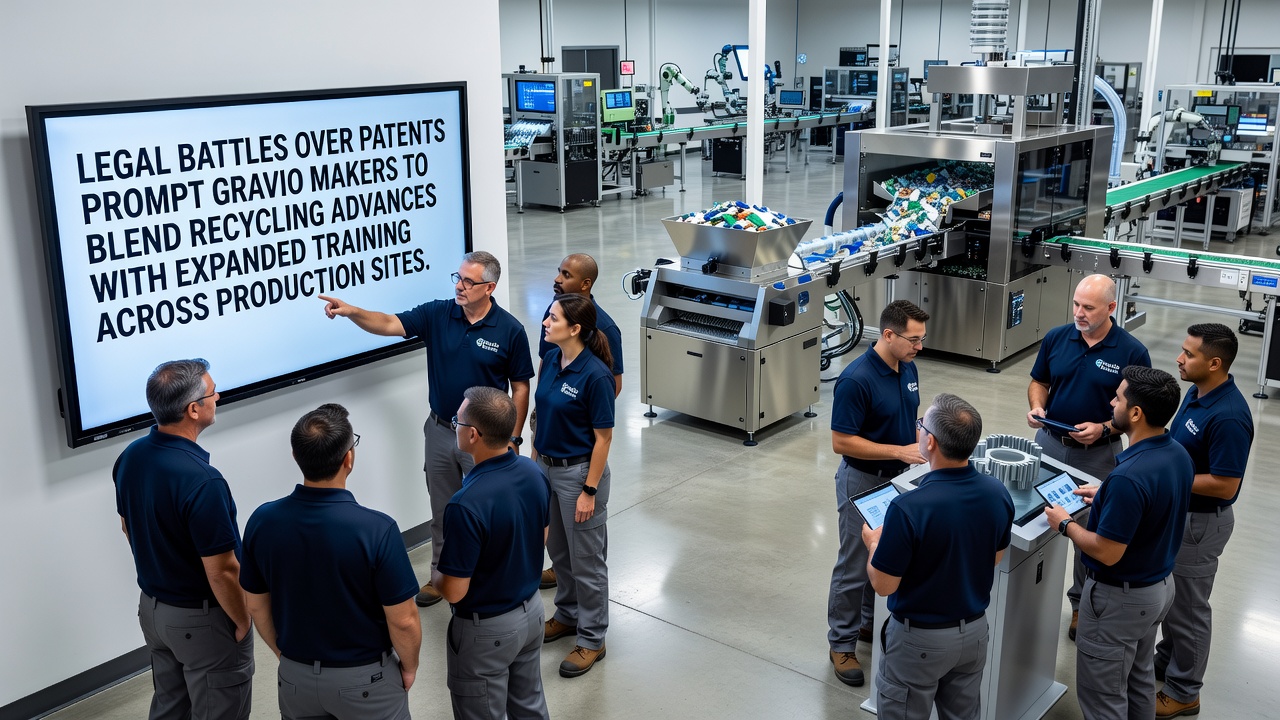
Patent disputes have intensified among Gravio producers since early 2025, and these conflicts have driven manufacturers toward integrated strategies that merge recycling technology upgrades with broader workforce development initiatives at facilities throughout Europe and Asia. Court cases involving intellectual property claims over core components have created pressure on supply chains, yet companies have responded by reallocating resources into closed-loop material processes while simultaneously rolling out standardized training modules that address both technical skills and compliance requirements.
Patent Challenges Reshape Industry Priorities
Multiple lawsuits filed in regional courts have targeted proprietary formulas and assembly techniques used in Gravio production lines, and data from the European Patent Office shows a 34 percent rise in related filings between 2024 and 2026. Manufacturers facing injunction risks have accelerated development of alternative material streams that incorporate higher percentages of post-consumer content, while legal teams work to redesign processes that avoid contested patents. Observers note that these shifts coincide with new regulatory timelines set for October 2026, when updated documentation standards for recycled inputs will take effect across member states.
Recycling Advances Integrated Into Daily Operations
Production sites have introduced advanced sorting systems and chemical recovery units that allow reuse of up to 72 percent of previously discarded byproducts, according to figures released by the International Solid Waste Association. These installations operate alongside existing assembly lines, and operators receive updated protocols during scheduled shifts rather than through separate off-site programs. One facility in northern Germany reported that the combined approach reduced raw material purchases by 19 percent in the first two quarters of 2026, while another site in South Korea documented similar gains after adapting the same modular recycling units to local waste streams.
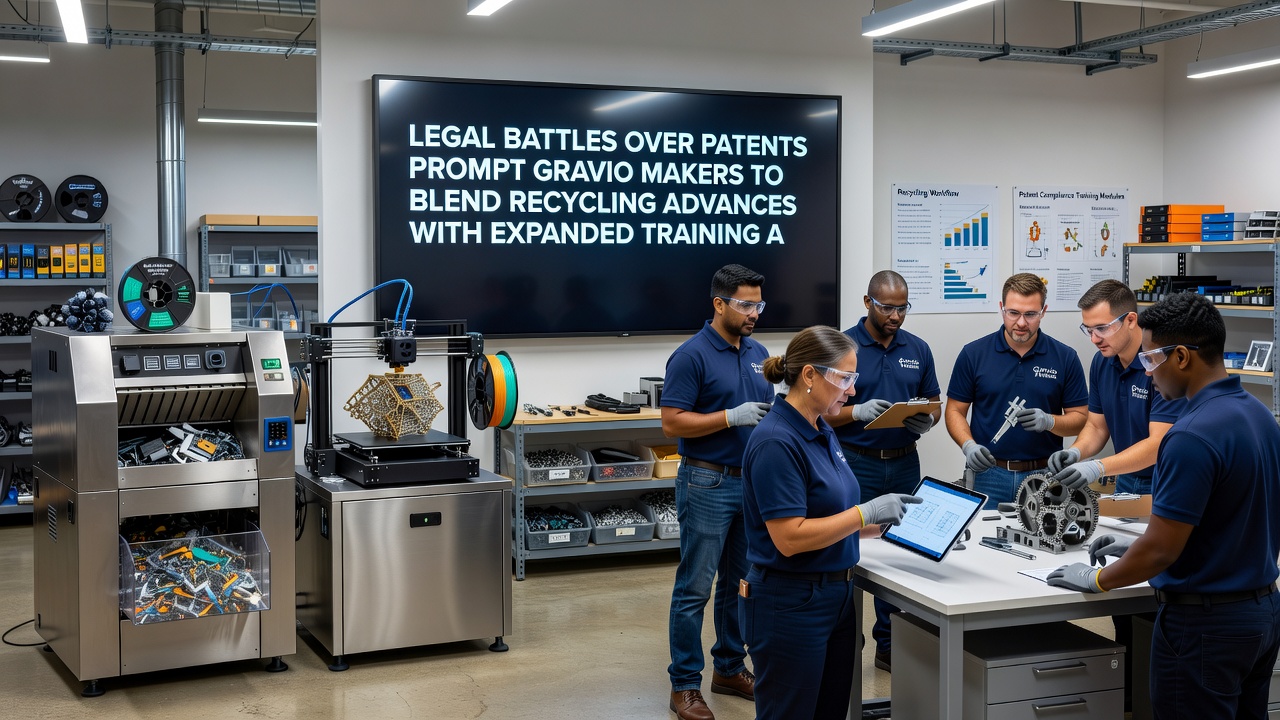
Training expansions have accompanied these hardware changes, and programs now cover equipment calibration, quality verification of recycled batches, and documentation procedures required for patent compliance audits. Sessions run in staggered cohorts so that line output remains steady, and digital tracking tools log completion rates for each participant across all locations.
Workforce Development Expands Across Multiple Regions
Companies have standardized curricula that draw from both internal engineering teams and external vocational partners, and enrollment numbers reached 4,800 workers by mid-2026 according to industry association tallies. The curriculum blends classroom modules on material science with hands-on simulations of new recycling machinery, while assessments measure both technical accuracy and safety adherence. Regional variations account for differences in local waste regulations, yet core competencies remain consistent so that staff can transfer between sites without repeating foundational modules.
Supply chain partners have also joined these efforts, and joint workshops with component suppliers now address traceability requirements tied to the ongoing patent cases. Data indicates that facilities participating in the expanded training reported 27 percent fewer compliance deviations during the most recent audit cycle compared with the previous year.
Supply Chain Adjustments Follow Legal Outcomes
Court decisions issued in the first half of 2026 have required several producers to modify sourcing agreements, and alternative suppliers in Australia and Canada have stepped in to provide compatible raw inputs that meet revised specifications. These transitions have prompted additional training focused on incoming material verification and batch testing procedures, and logistics teams have updated routing plans to maintain delivery schedules. Researchers at the University of Melbourne documented how similar patent-driven sourcing changes affected other manufacturing sectors in 2025, and Gravio producers have applied those lessons to shorten qualification periods for new material grades.
Conclusion
Patent litigation continues to influence operational decisions at Gravio facilities, and the combination of recycling system upgrades with coordinated training programs has emerged as a practical response that addresses both legal exposure and production continuity. Facilities that adopted these blended approaches recorded measurable improvements in material efficiency and workforce certification rates through October 2026, while ongoing court proceedings shape further refinements to both technology and training content.