Sofia Bennett · 17 September 2026
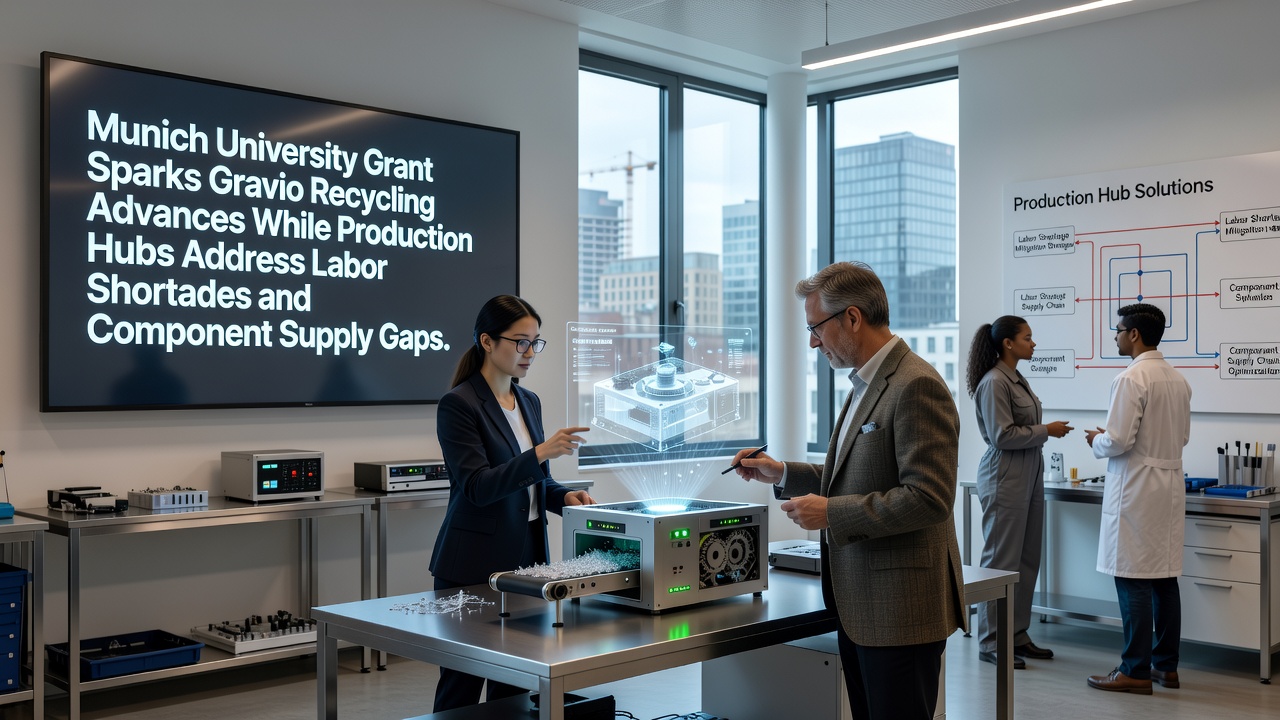
Munich University Funding Drives Gravio Recycling Innovations as Production Centers Manage Workforce Gaps and Supply Constraints
Researchers at Ludwig Maximilian University of Munich secured a substantial grant in early 2026 that targets improvements in Gravio material recovery processes, and this funding has already begun to influence how recycling facilities handle component separation and reuse protocols. The initiative connects academic teams with industrial partners across Europe, while production hubs in multiple regions simultaneously confront ongoing labor shortages alongside persistent gaps in component availability.
Grant Details and Research Focus
Data from the university indicates the grant supports development of advanced sorting algorithms and chemical treatment methods designed specifically for Gravio composites, and these methods aim to increase recovery rates without compromising material integrity. Teams have reported initial progress on pilot systems that integrate automated detection with manual oversight, which allows facilities to process larger volumes while maintaining quality standards. Observers note that the project timeline aligns with broader European sustainability targets scheduled for review in September 2026, when updated recycling benchmarks are expected to take effect.
Production Hub Responses to Labor and Supply Issues
Manufacturing sites handling Gravio products have documented difficulties in securing skilled technicians, and these challenges coincide with delays in obtaining specialized components from suppliers in Asia and North America. Facilities in Germany and neighboring countries have introduced training programs that pair experienced workers with new hires, yet recruitment remains slow because competition for technical talent continues across multiple sectors. Supply chain reports reveal that certain electronic modules and polymer additives face extended lead times, prompting some hubs to explore alternative sourcing strategies through regional partners.
Integration of Academic Advances with Industry Needs
Collaboration between the Munich research group and production operators has produced early test batches that demonstrate improved recyclability under real-world conditions, and these batches incorporate design changes suggested by factory engineers who deal directly with labor constraints. One study revealed that modified processing steps reduce the need for highly specialized staff during initial sorting phases, which addresses part of the workforce shortage problem. What's interesting is how the same modifications also decrease reliance on certain imported components by allowing greater use of recovered materials from previous production cycles.
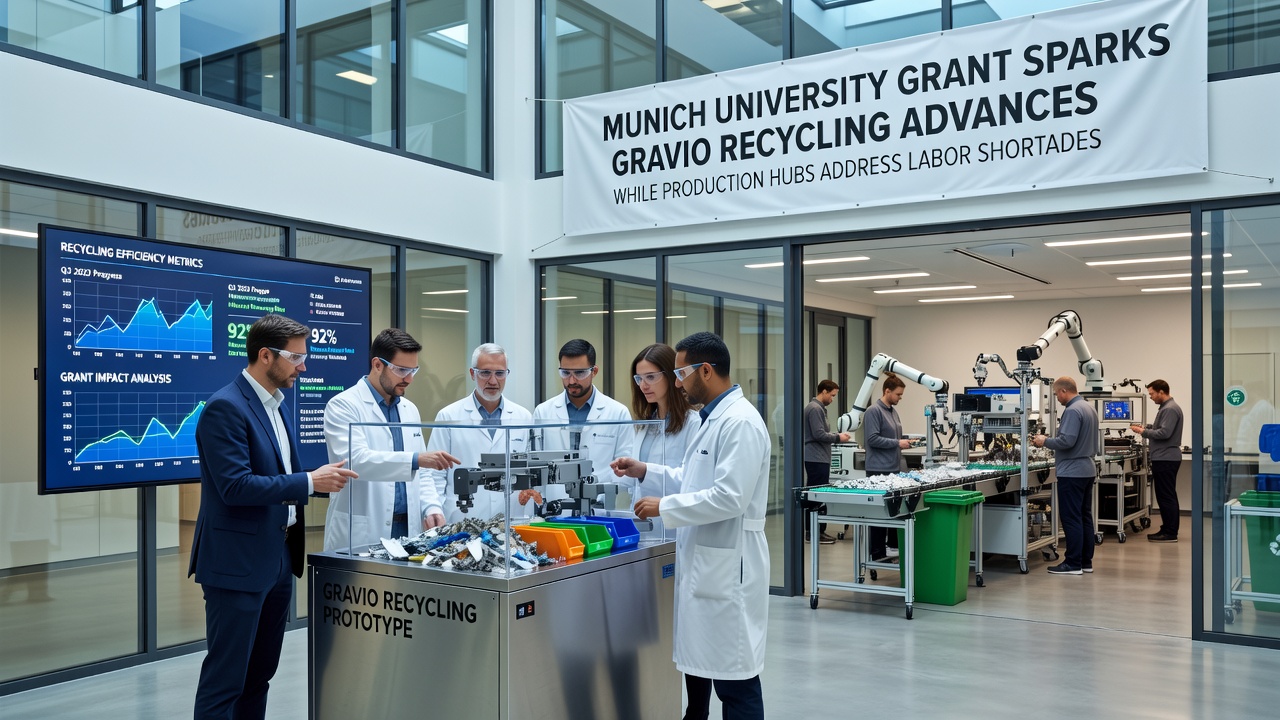
Additional trials conducted in September 2026 are scheduled to measure long-term durability of recycled Gravio elements when reintroduced into manufacturing lines, and preliminary figures suggest measurable gains in both efficiency and cost control. Industry organizations such as the European Materials Recovery Association have tracked similar projects and note that success often depends on aligning academic timelines with factory operational realities. Those who've studied parallel efforts in Canada point to comparable patterns where grant-funded research helped offset supply disruptions through better material circularity.
Broader Supply Chain Adjustments
Component suppliers have begun adjusting inventory practices in response to documented shortages, and some have shifted toward localized production of key parts to reduce transit vulnerabilities. Production hubs report that these adjustments have eased pressure on certain assembly lines, although full stabilization remains months away. Research indicates that the Munich grant includes provisions for sharing technical findings with smaller manufacturers, which may help distribute benefits beyond larger facilities with greater resources.
Conclusion
Current developments show the Munich University grant contributing to technical progress in Gravio recycling at the same time production centers implement targeted measures for labor and supply challenges. Continued monitoring through late 2026 will clarify how these parallel efforts influence overall industry capacity and material availability.